Blog / Artificial Intelligence
AI is making your next laptop more expensive — here’s why

XXXFuel Editors
7 min read
Copilot+ wants 16 GB and a 40 TOPS NPU. IDC says OEMs flagged 15–20% hikes. DRAM is going to data centers first.
Unit: %
IDC: Lenovo, Dell, HP, Acer, ASUS have flagged ~15–20% hikes. ASP +4–6% moderate / +6–8% pessimistic if the memory shortage lasts. Copilot+ requires 16 GB vs the old 8 GB floor.
Your next Windows laptop is more expensive for three boring reasons, and none of them is “AI magic.” Memory got scarce because data centers bought it. The default SKU grew because Microsoft’s Copilot+ badge requires 16 GB of RAM, a 256 GB SSD, and an NPU rated at 40+ TOPS. And the chassis got heavier because a 40-watt turbo and an NPU still dump heat into a 14-inch shell. Those are the facts. The adjectives can wait.
What is actually required (from Microsoft, not a tweet)
Microsoft’s own Copilot+ explainers are unambiguous. A Copilot+ PC needs:
- an NPU capable of at least 40 trillion operations per second
- at least 16 GB of RAM
- at least 256 GB SSD
- Windows 11 24H2 or newer
That 16 GB floor is the silent price hike. For a decade the volume SKU in Windows land was 8 GB. Copilot+ made 16 GB the marketing default. IDC defines an “AI PC” as any PC with an NPU, and notes those devices tend to ship more RAM for exactly this reason. You can still buy 8 GB. You will be sold a machine that feels obsolete on the box.
| Spec | Old volume Windows SKU | Copilot+ minimum (Microsoft) | Why it costs money |
|---|---|---|---|
| RAM | 8 GB common | 16 GB | Twice the DRAM in a shortage year |
| Storage | 256 GB already common | 256 GB SSD | NAND is tight too; 512 GB becomes the upsell |
| Compute | CPU ± iGPU | NPU ≥ 40 TOPS | New silicon + qualification |
| OS | Windows 11 | 24H2+ | SKU split, not a BOM line, but it kills the cheap config as “the” laptop |
Memory: the data center vacuum
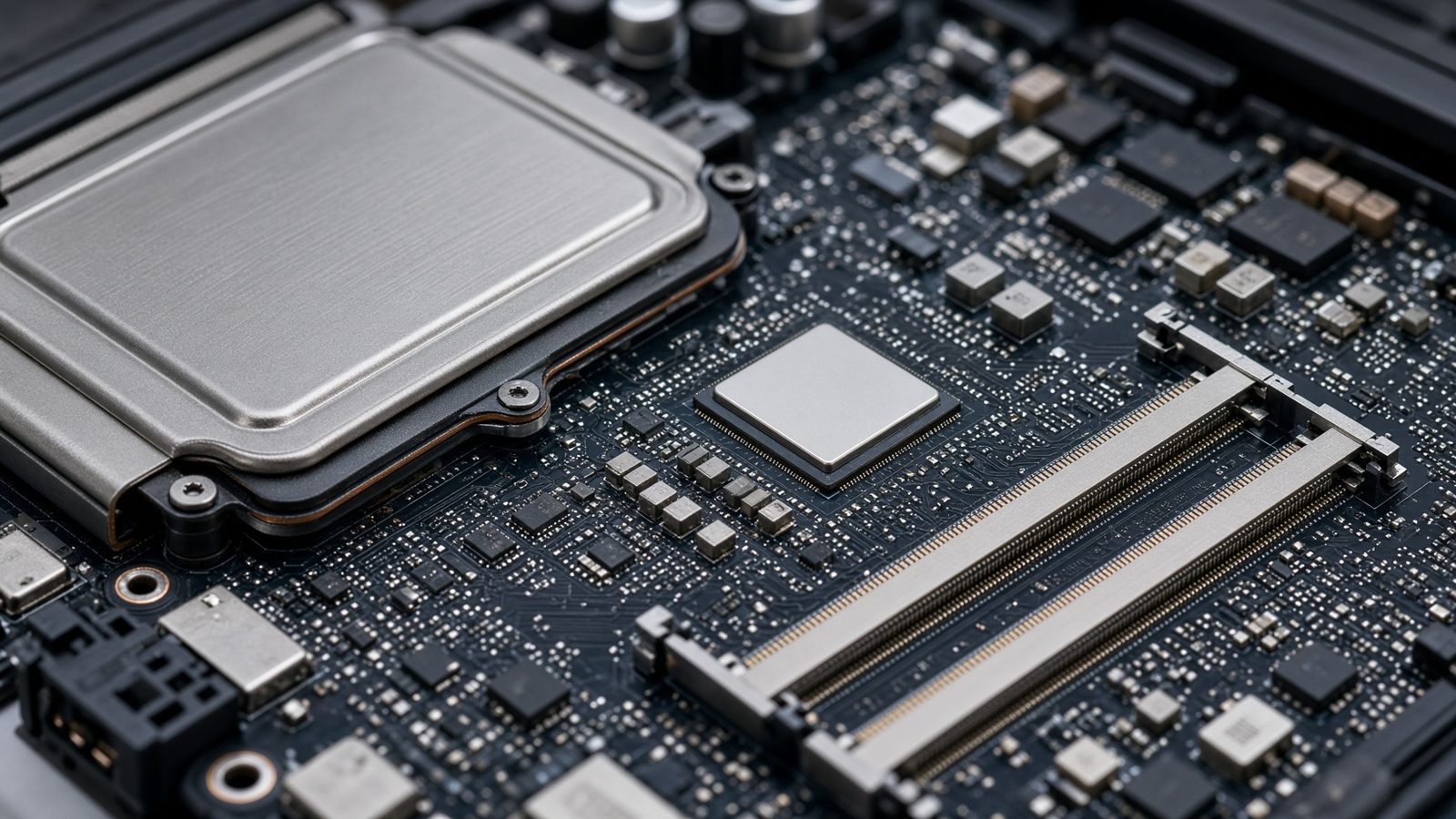
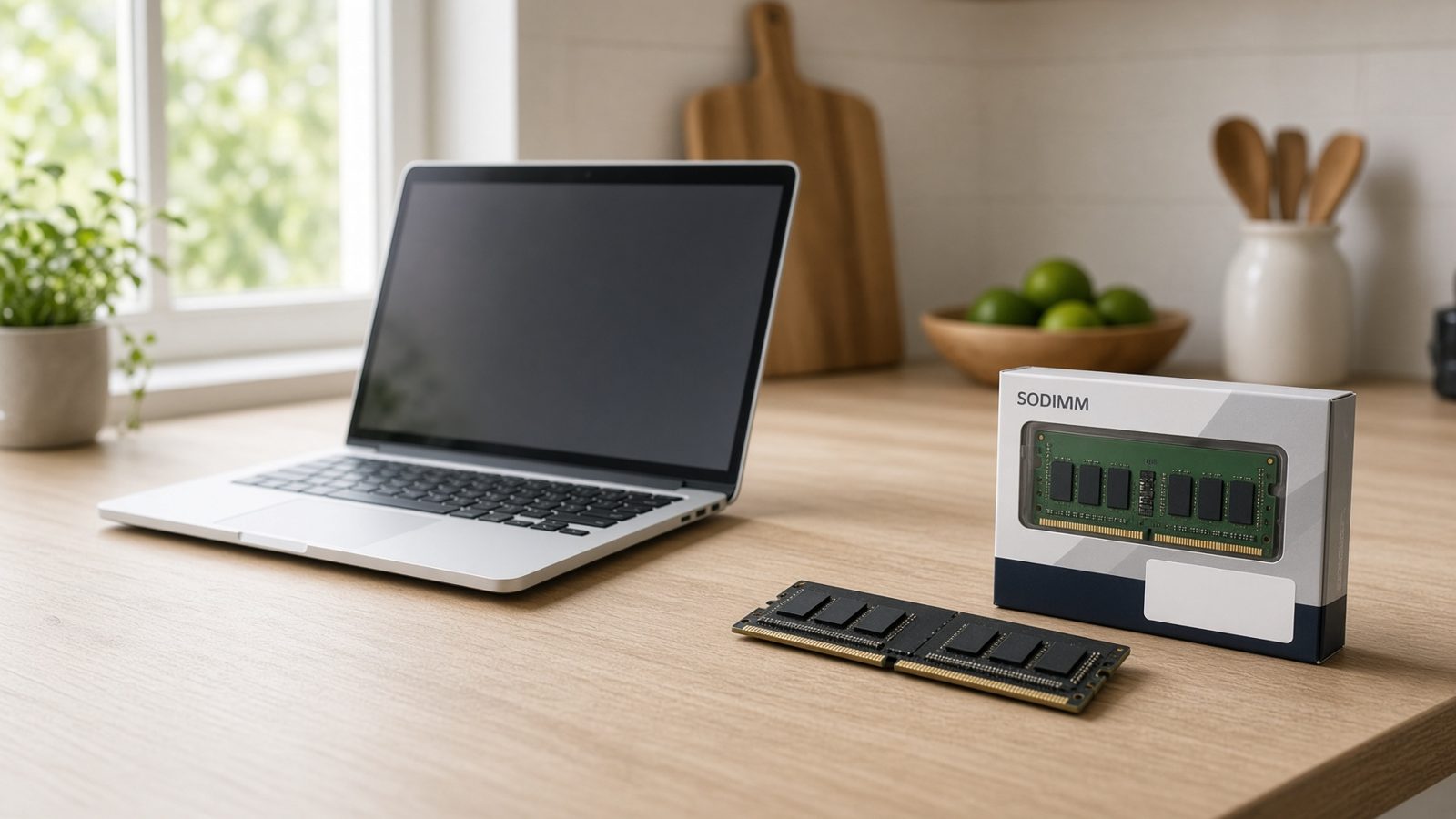
Consumer Reports put the mechanism in one sentence in December 2025: AI data centers are scooping up RAM, and 2026 laptops could spike. High-bandwidth memory for accelerators and the better DDR5 bins for servers do not sit in a separate universe from SODIMMs. When Samsung, SK Hynix, and Micron allocate wafers to HBM and server DIMMs, the leftover for laptops is what OEMs bid on. IDC’s December 2025 memory-shortage note said PC vendors were signalling broad price increases into H2 2026, and named Lenovo, Dell, HP, Acer, and ASUS as having warned clients — 15–20% hikes and contract resets in that telling.
On average selling prices, IDC’s downside cases were calmer than the list-price letters: ASP +4% to +6% in a moderate shortage, +6% to +8% if constraints persist. Those can both be true. List prices jump; mix shifts to nastier configs; some of the hike lands as “you get 8 GB and a dimmer panel for the same $600” (Consumer Reports’ warning) instead of a sticker shock on the 16 GB metal 14-inch.
| What it is | Source | |
|---|---|---|
| 15–20% system price hikes / contract resets | What large OEMs were telling channel/enterprise accounts into 2026 | IDC memory-shortage analysis, Dec 2025 |
| ASP +4–6% / +6–8% | Modeled average selling price if the shortage is moderate / pessimistic | IDC, same note |
| PC units could contract 4.9% to 8.9% in downside cases | Demand destruction if prices stay high | IDC |
| RAM vacuum from AI data centers | Mechanism, not a percent | Consumer Reports, Dec 2025 |
| Copilot+ 16 GB / 40 TOPS / 256 GB | SKU floor | Microsoft |
Power delivery is not a slogan
An ultrabook that used to idle on a 30-watt adapter is now asked to feed a CPU turbo, an iGPU, and an NPU without sounding like a drone. That means a chunkier battery, a chunkier brick, vapor chambers, and sometimes a second fan. None of this is as large as the DRAM line in the BOM. It is large enough that “thin and cheap” and “Copilot+ certified” stopped being the same SKU. Apple’s M-series insulated Mac buyers from the worst of the discrete-GPU tax and, for a while, from the DRAM spike; unified memory is a different procurement problem. When memory is globally tight, Macs are not magic. They are just on a different allocation meeting.
Macs, Windows, and the SKU split
Windows took the certification path: a badge with a number (40 TOPS) that retailers can print. Apple took the silicon path: unified memory as the scarce resource, no NPU logo on the box. Both are now bidding for the same wafer start in a shortage. The practical difference for a buyer is mix. Windows still sells an 8 GB SKU to hit a $600 shelf tag; Consumer Reports’ warning is that 2026’s $600 unit may simply be worse inside. Apple’s floor has been higher for years, so the hike shows up as “the 16 GB MacBook Air costs what the 8 GB used to” rather than a new badge. Neither company will put “HBM ate our SODIMMs” on the product page.
NAND is the second squeeze. Copilot+’s 256 GB SSD minimum is already the old mainstream capacity. The upsell to 512 GB is where OEMs recover margin when RAM is rationed. If you only remember one shopping rule for 2026: pay for memory and storage, not for the NPU sticker, unless you specifically want the on-device Windows features that require 40 TOPS.
Enterprise vs the shelf
The 15–20% letters IDC describes are channel and contract language. Street prices lag, then jump in steps, then get papered over with “$50 off” while the spec sheet shrinks. That is why ASP (+4–8% in IDC’s modeled cases) and list-price letters can both be honest. If you buy one laptop, watch the spec sheet. If you buy four thousand, believe the letter and lock RAM/SSD SKUs in the RFP so the OEM cannot meet the price by deleting memory.
What we are not claiming
We are not claiming a universal 8–15% on every 14-inch metal laptop from an unnamed “June channel check.” That sentence lived in an earlier version of this page and we cannot show you the check. It is gone. We are not claiming every 2026 laptop will cost 20% more at retail. IDC’s ASP cases are 4–8%. We are not claiming an NPU makes local LLMs serious; a $600 mini-PC with 32 GB and no NPU still beats a $1,200 16 GB Copilot+ box for running a local model, which is a separate consumer-advice article. This page is about price, not about whether you should buy the badge.
How to shop without paying the tax twice
- If you do not need Copilot+ features, 16 GB still matters for Windows 11 in 2026 — but you may not need the 40 TOPS tax.
- If you do local models, RAM beats NPU. Believe the memory spec first.
- Enterprise buyers who got 15–20% letters should assume those are list/contract, not street ASP.
- A $600 laptop that quietly dropped to 8 GB is a price hike. Read the spec sheet, not the dollar.
Sources
- Microsoft, Copilot+ PCs vs Windows PCs (40 TOPS, 16 GB, 256 GB).
- Microsoft Learn, NPU devices / Copilot+ hardware list.
- IDC, Global memory shortage and PC impact, 2026 (15–20% OEM hikes; ASP +4–8%; AI PC = NPU; 16 GB Copilot+ note).
- Consumer Reports, AI data centers scooping up RAM (Dec 2025).
Updated August 2026. Unsourced “channel check” percentages from an earlier draft were removed.
More from the desk

How to Make an AI Girlfriend: The Actual Build Order
Appearance last. Personality first. Scenario as the memory spine. Then voice, memory, and who actually keeps her. A 2026 build order for Candy, Character.AI, CrushOn, and Nomi — including the free path.
22 min read

Who Owns the AI Character You Just Built?
You spent a night on her. You probably do not keep her. Character.AI, Candy, SpicyChat, Nomi, CrushOn — who actually owns the AI girlfriend you just built, in the terms they already published.
17 min read
Best AI girlfriend apps in 2026
Character.AI, Kindroid, SpicyChat, CrushOn, Replika, Chai, Talkie, Muah, Candy, and Nomi — grouped by what they actually do, with live pricing caveats.
4 min read